CASE STUDIES, NOT JUST CREDENTIALS.

For each project below I share the challenge, what I designed, and the measurable result. I believe a portfolio should let the work speak, not just describe it. These projects span instructional design, and visual design work delivered for large, multi-unit organizations. If you’re exploring a freelance project with similar challenges, this is also a preview of how I would approach it.
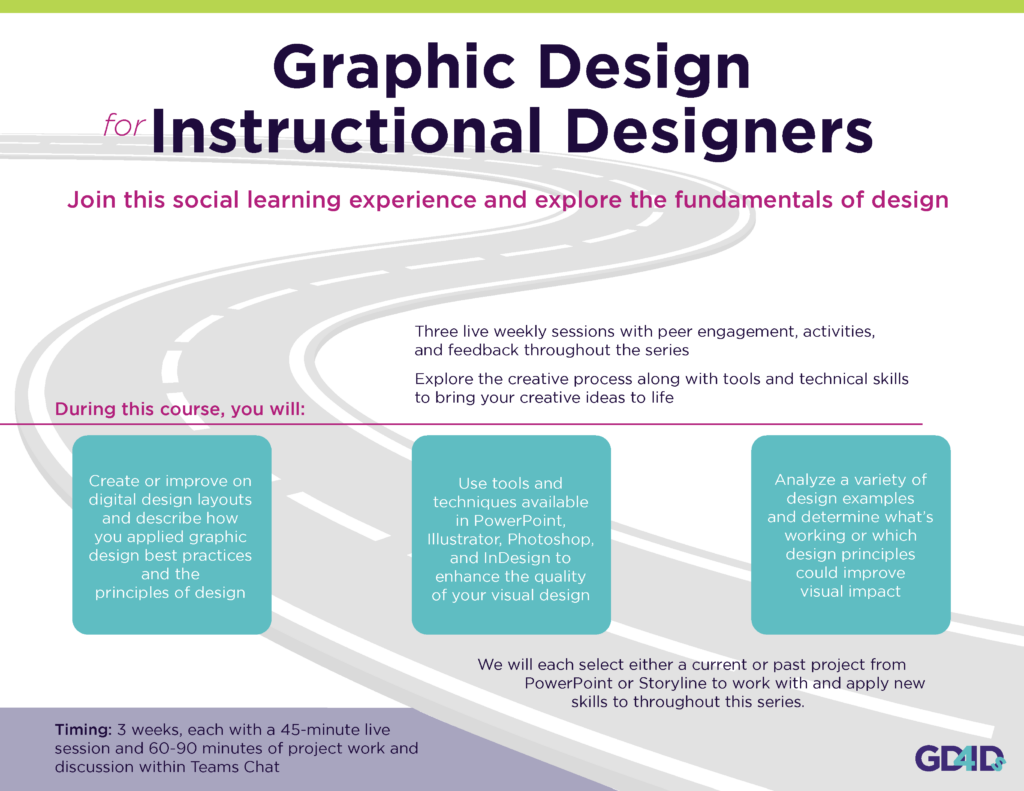
PROJECT 1 – Graphic Design for Instructional Designers
Challenge:
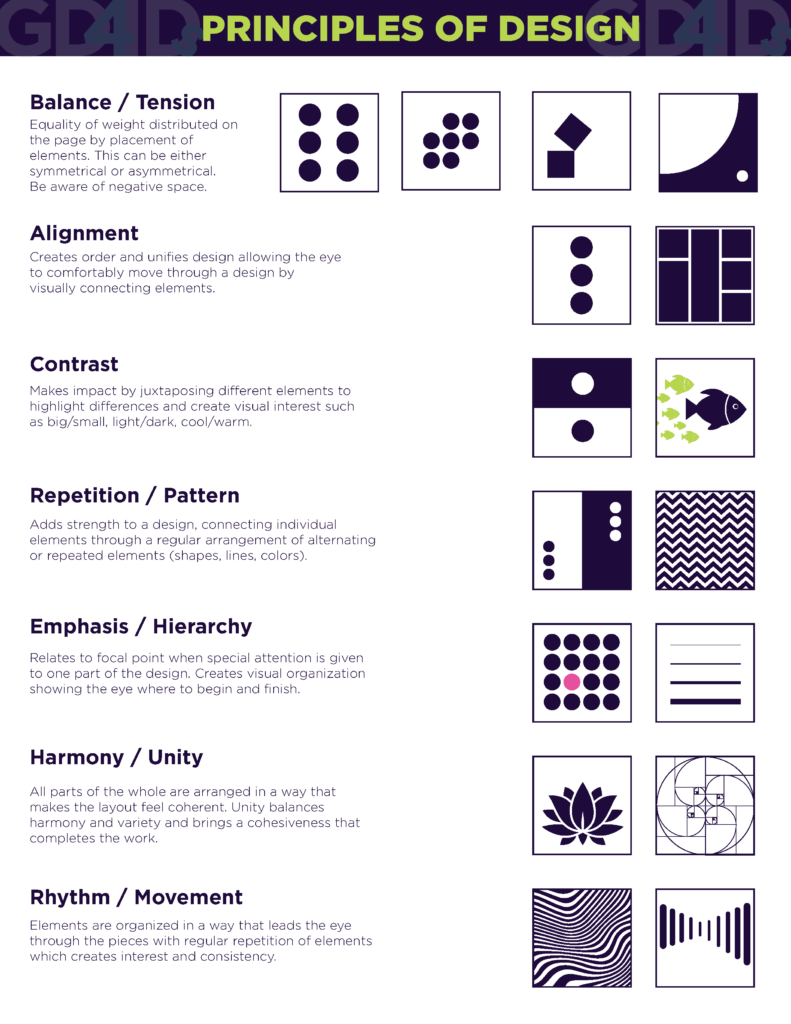
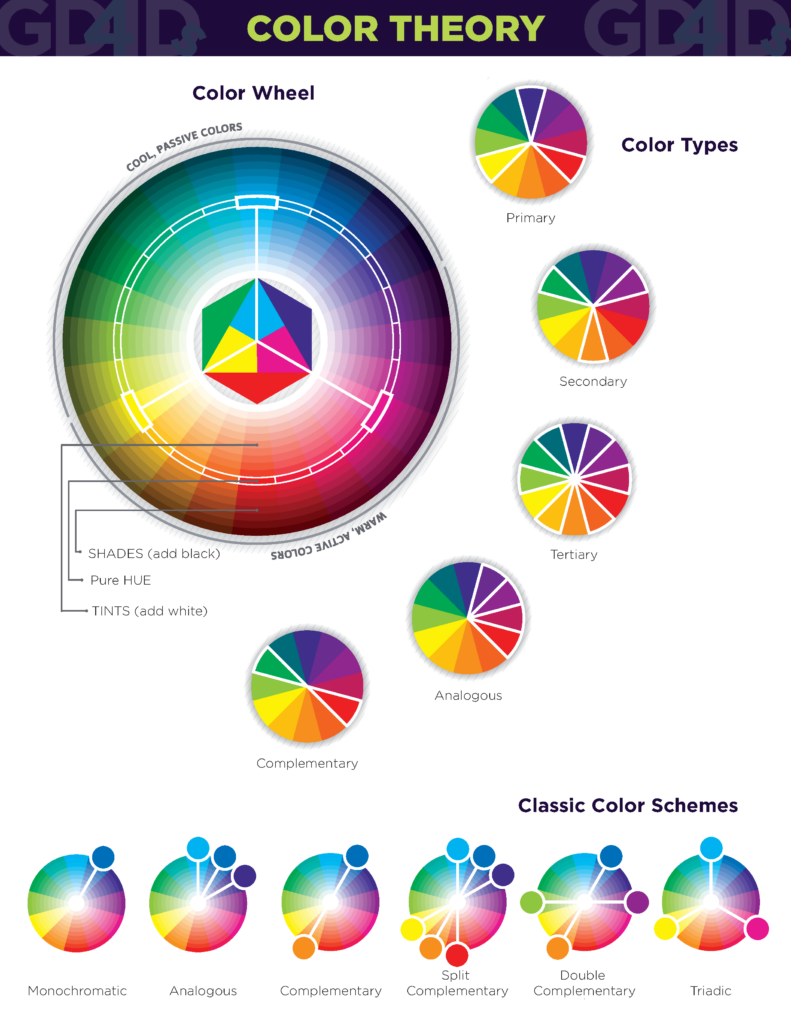
A 15-person team of instructional and multimedia designers had uneven grounding in core graphic design principles, creating inconsistency in the visual quality of learning materials across the department.
My Approach:
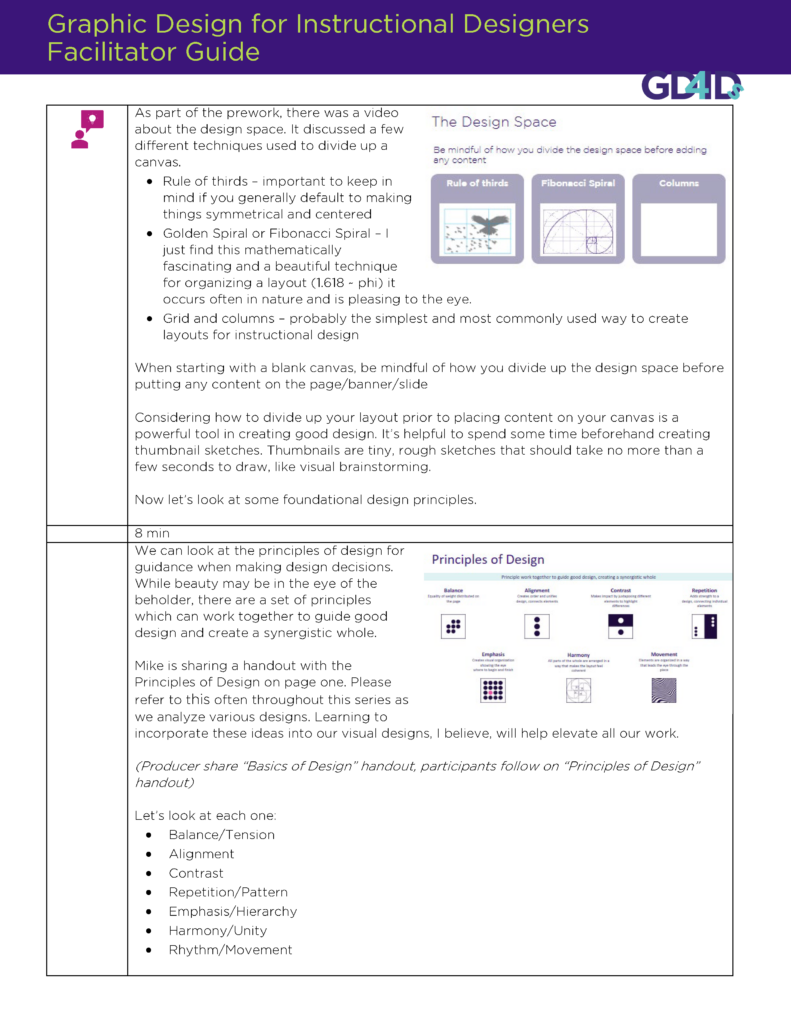
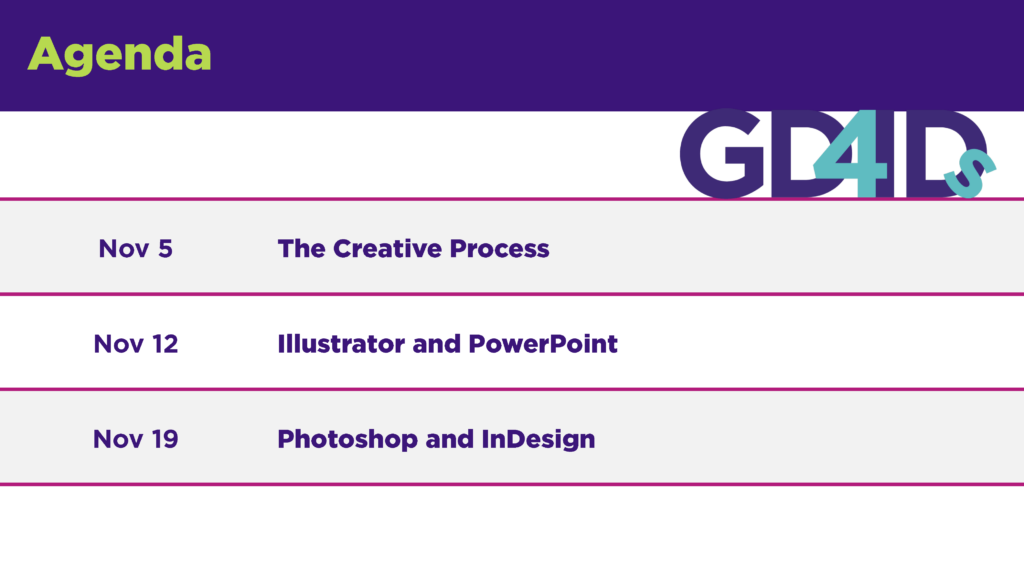
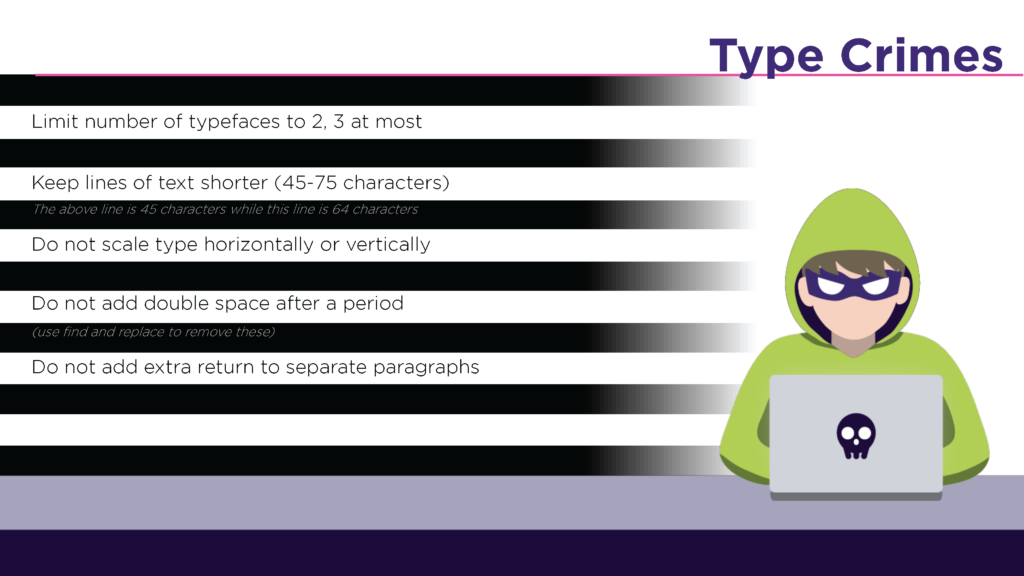
Rather than a one-off training, I designed a three-session series that paired short live sessions (45 minutes each) with structured asynchronous social learning in Teams between sessions. Participants applied concepts to their own real project each week, then gave and received peer critique using shared design vocabulary. I built in social learning by design: badges for participation, structured critique prompts (“What principles of design are already working? What could improve visual impact?”), and a progression from foundational theory (principles, elements, color, typography) to hands-on tool application (Illustrator, PowerPoint, Photoshop, InDesign).
Result:
The program was completed by the full 15-person design team, with strong participant engagement in the peer critique component and direct feedback that the shared design vocabulary and critique habits continued to influence day-to-day work after the series ended — an outcome that speaks to capability-building at the team level, distinct from individual-learner outcomes.
Click the color block below to see samples
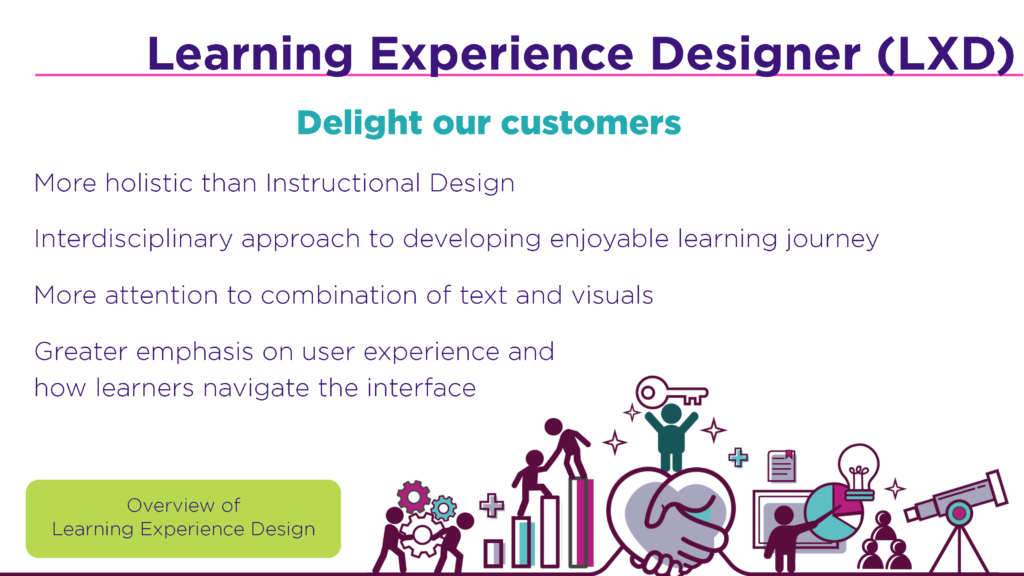
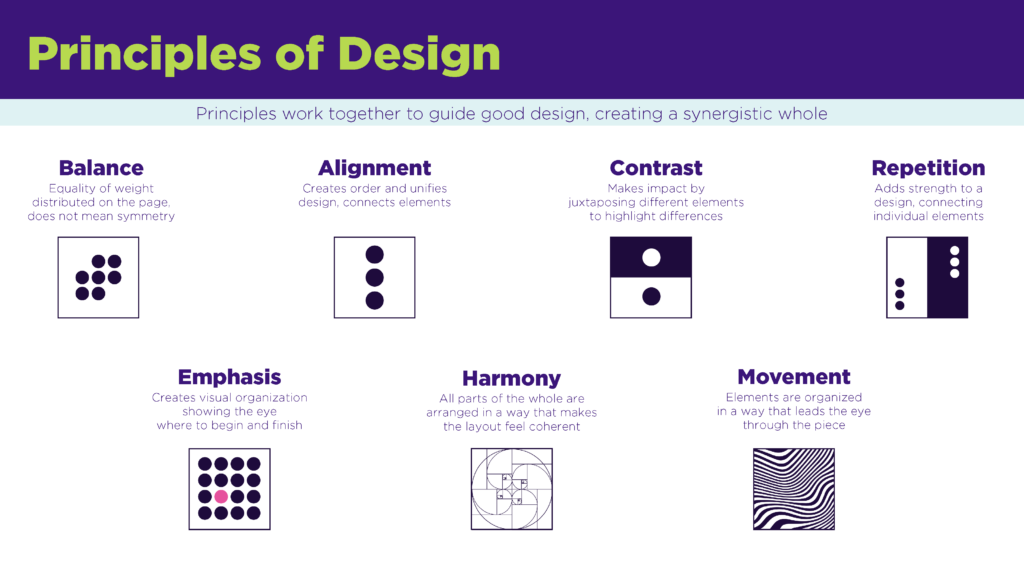
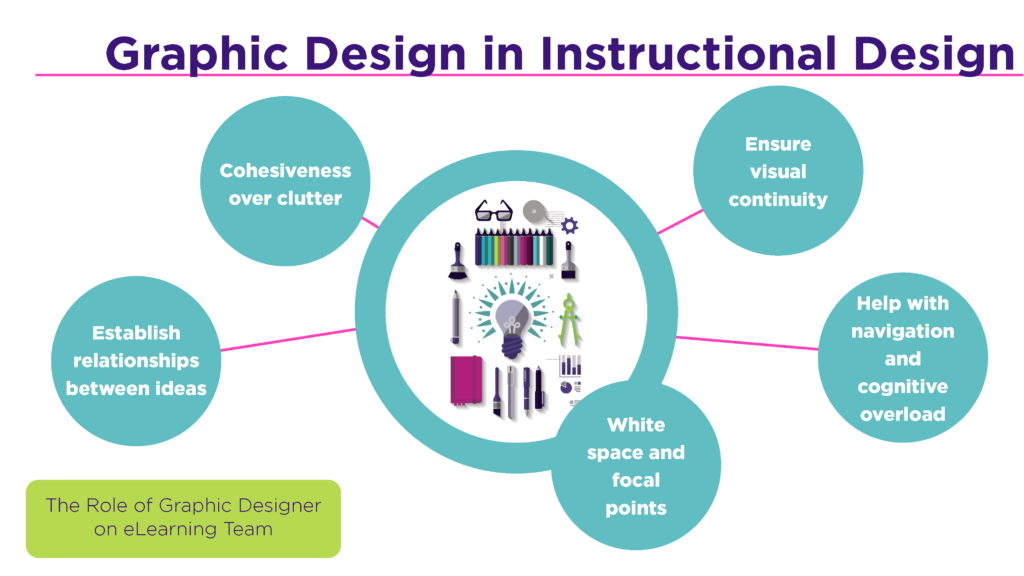
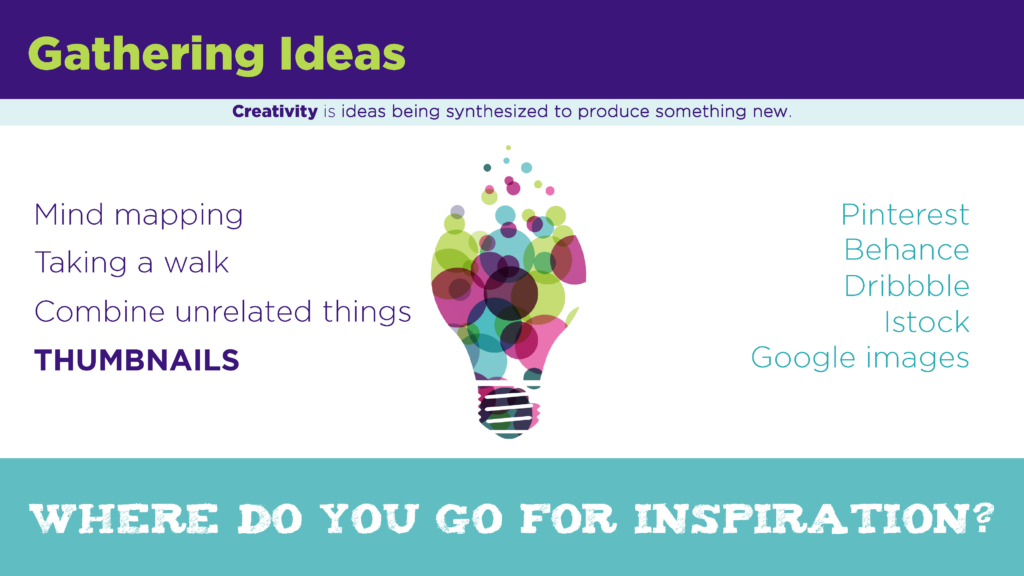
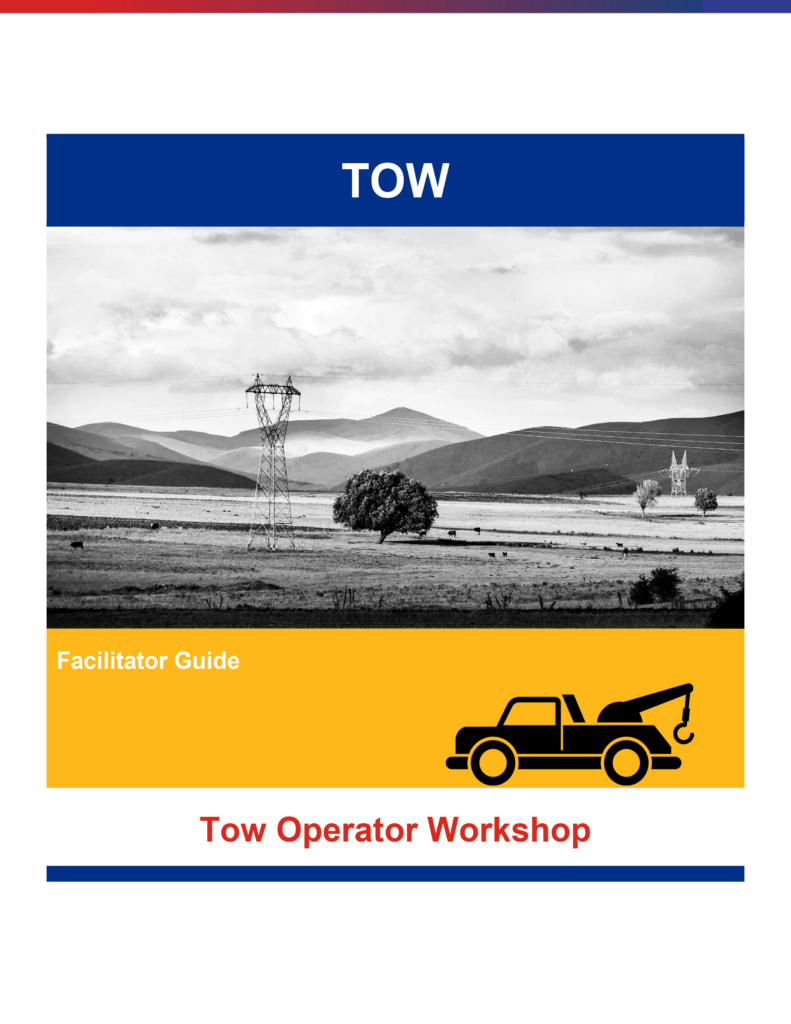
PROJECT 2 – Tow Operator Workshop
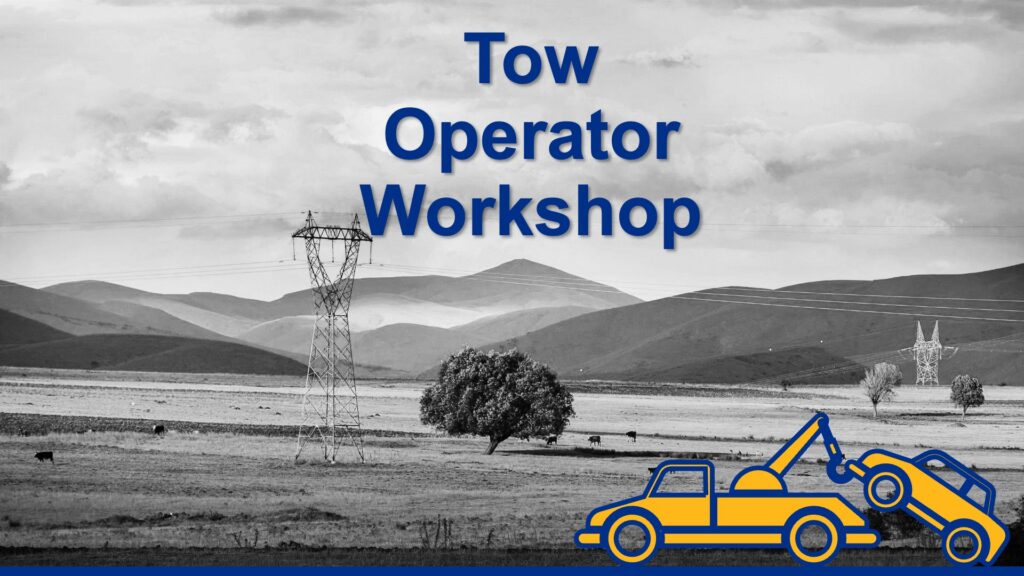
A field-based operator role carried a persistent injury and claims rate tied to a small number of high-risk task moments. Existing training was procedural and compliance-focused, with low engagement. Objectives included reduced injuries and increased customer satisfaction scores.
Approach:
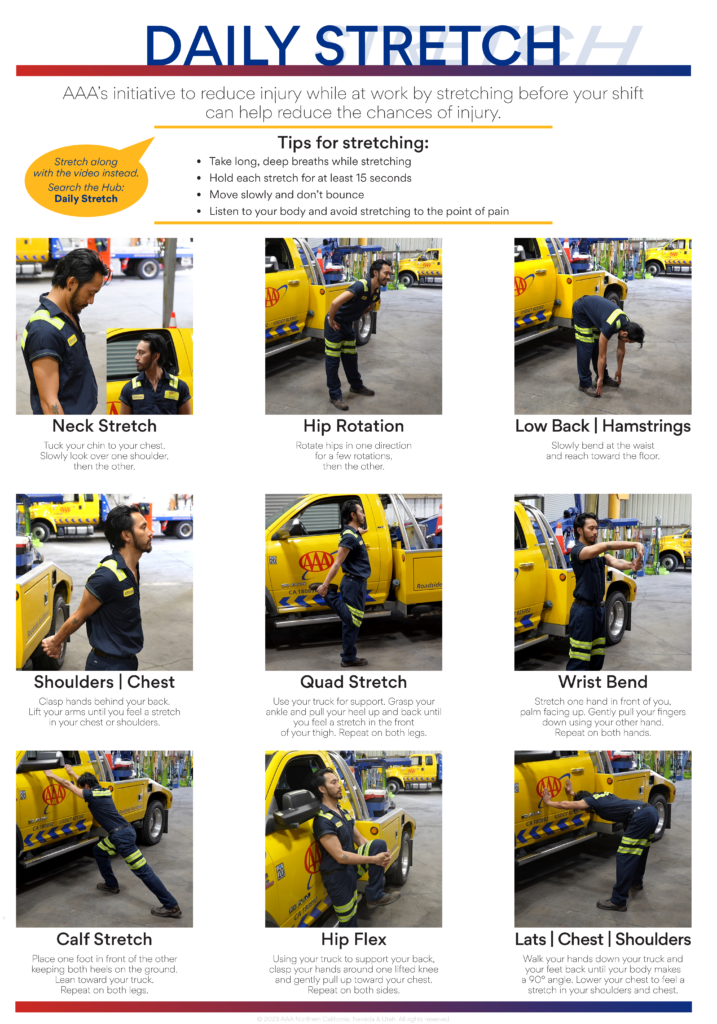
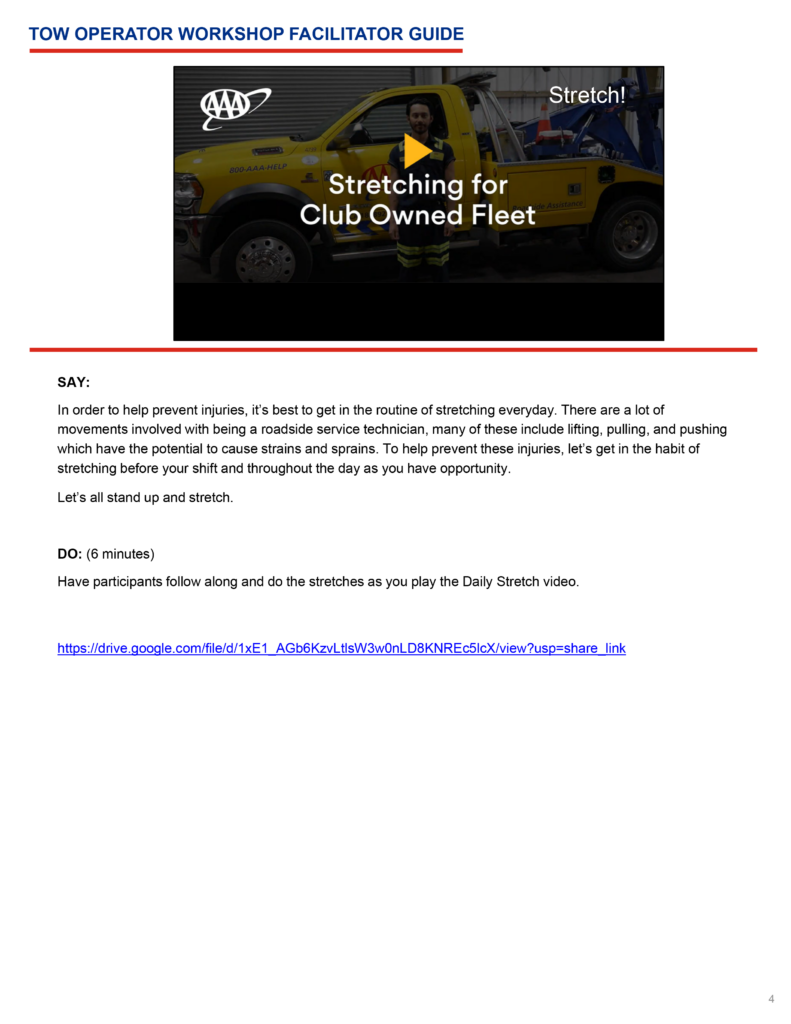
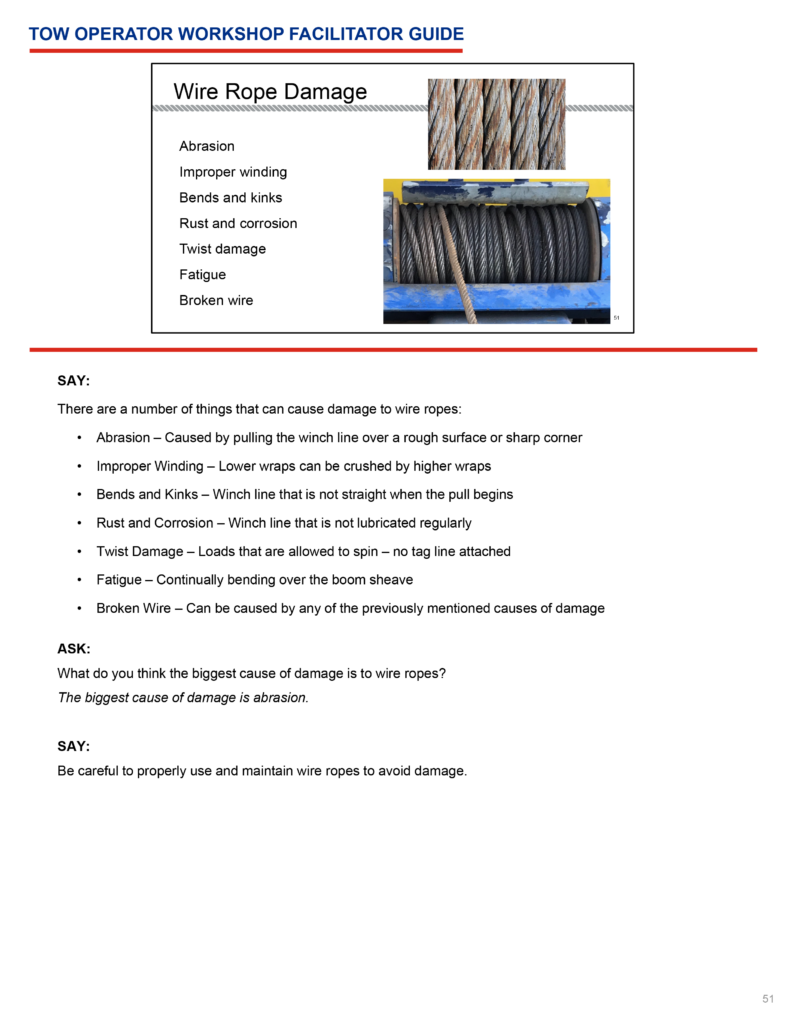
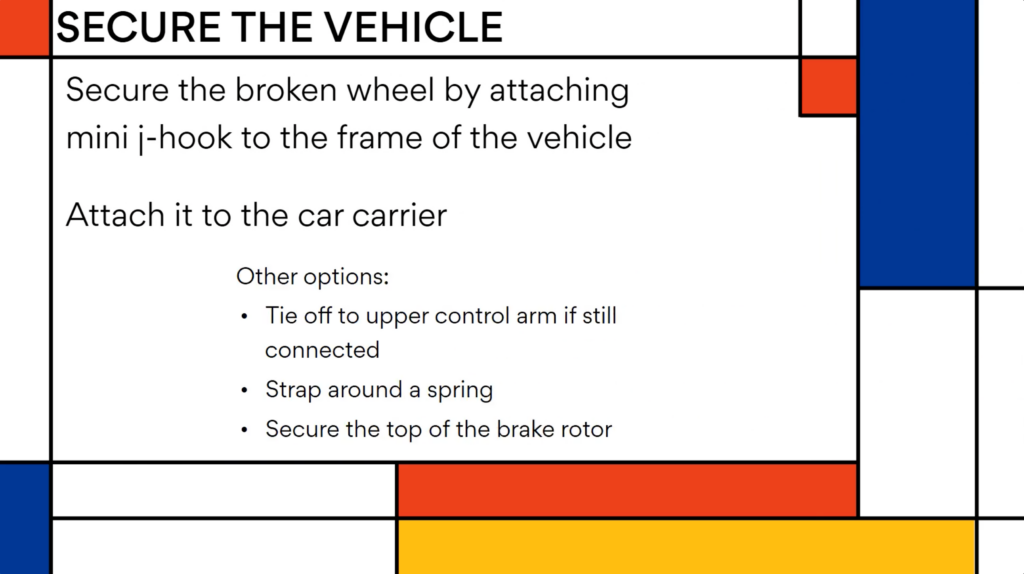
I worked with safety and operations stakeholders to identify the specific decision points where incidents most often occurred, then worked closely with a SME to design scenario-based modules built around those moments rather than generic procedure review. The course consists of a mix of classroom time and hands-on training where participants move outside to complete various training tasks. Also included are videos on specific stretches for injury prevention and a module on de-escalation training. Evaluation was built in from the start: alongside the standard completion and knowledge-check data, I worked with the business to track a downstream operational metric so the program’s impact could be assessed at Kirkpatrick Level 4, not just Level 1-2.
The Result:
In the months following rollout, the business saw a 47% reduction in monthly injury claims among trained operators — a Level 4 outcome directly attributable to the scenario-based redesign.:
Click the color block below to see samples
BeckyDavis.Art